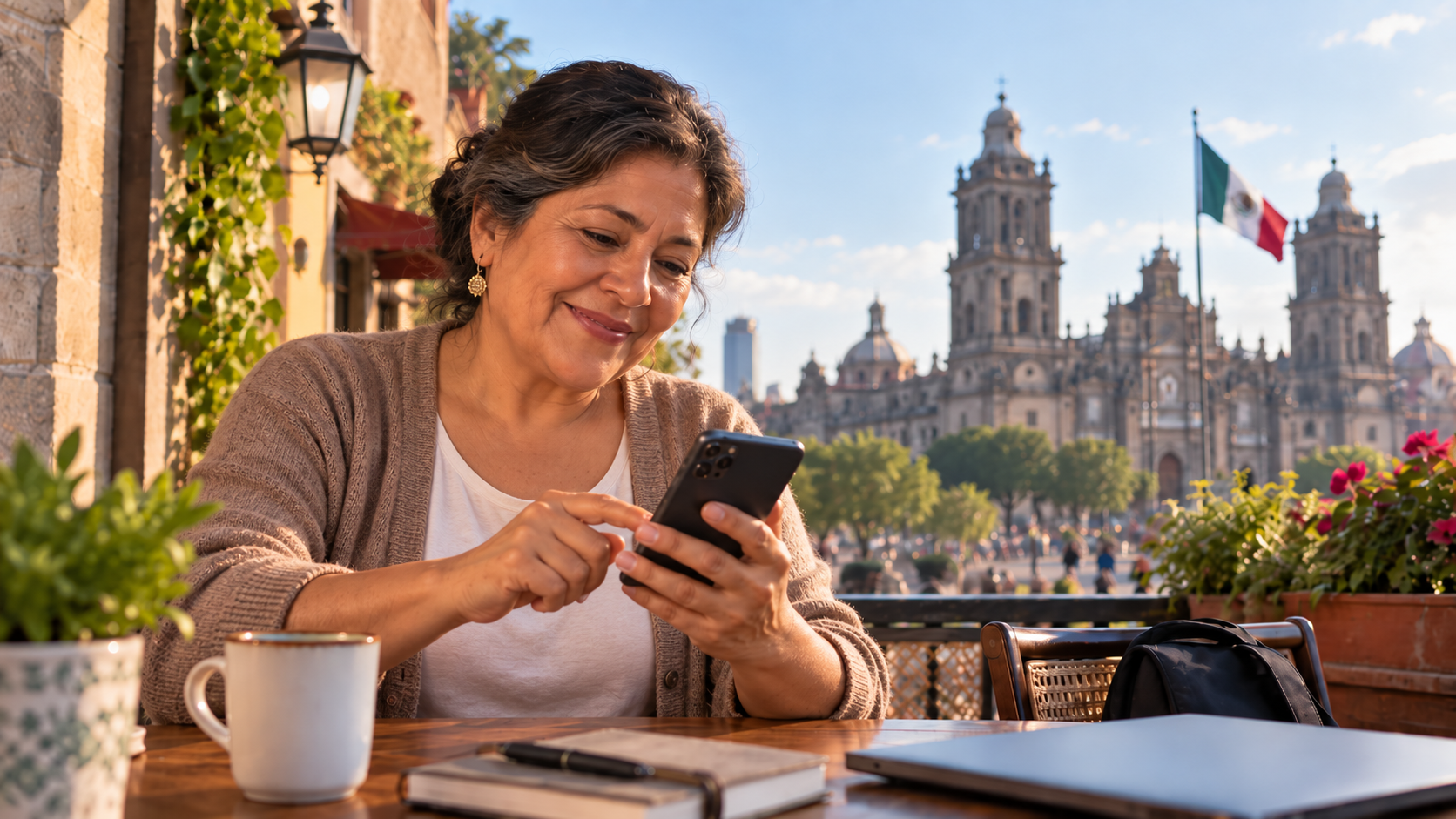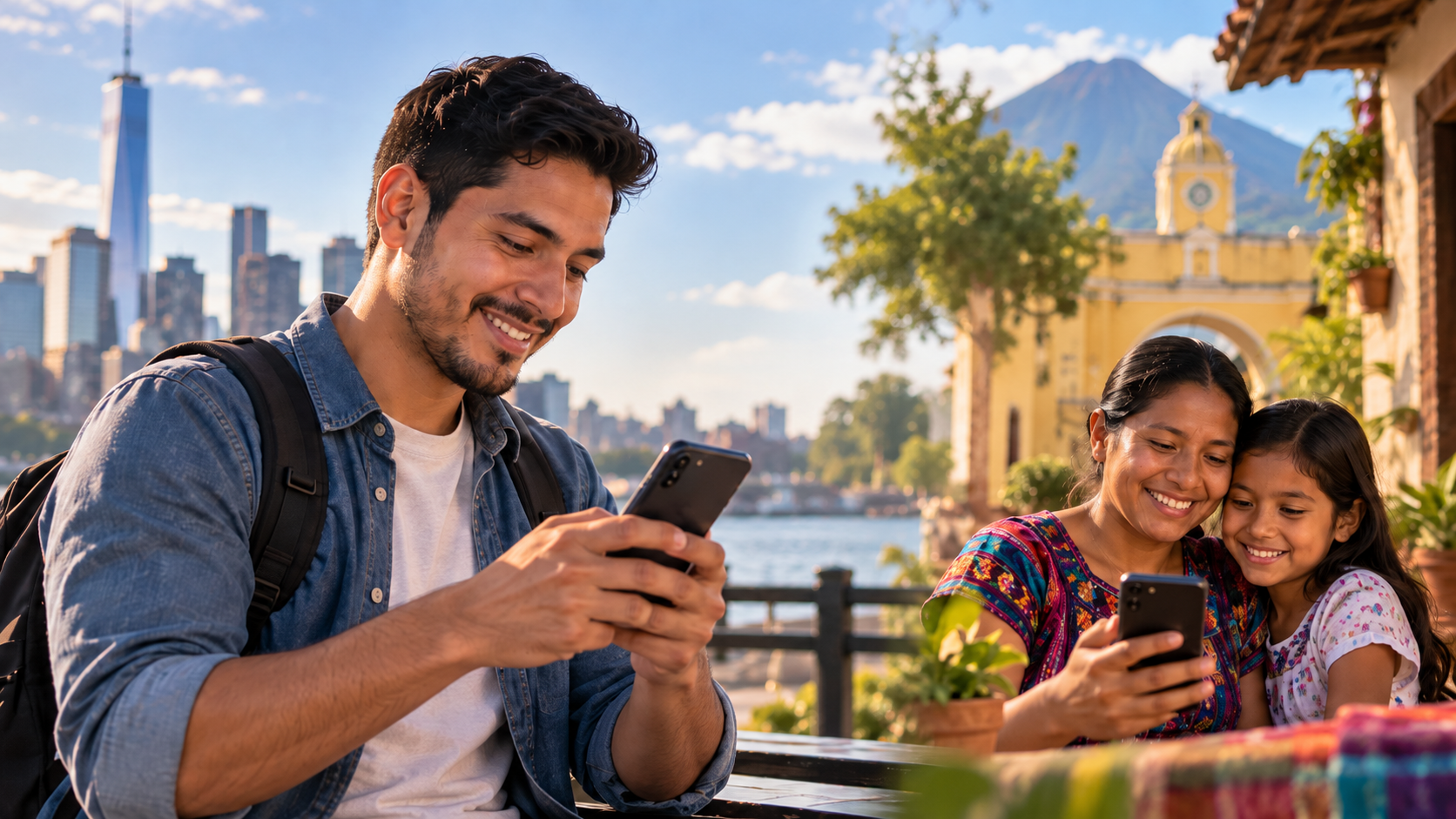

Miami, FL, October 30, 2026. — Who sends money to family members from the United States, how often do they send it, and where does it go? The 2026 Hispanic Remittances Report, produced by Zapp, a WhatsApp-based money transfer service, examines the habits and patterns shaping remittance activity among U.S. Hispanic senders, from how frequently they transfer money to the communities receiving it. The findings offer a closer look at how remittances support household finances across Mexico and Central America and how digital tools are changing the way families send money home.
Remittances continue to play a significant role in the economies of Mexico and Central America. According to the International Fund for Agricultural Development (IFAD), remittances to Latin America and the Caribbean increased 132% between 2016 and 2025, reaching US$168.6 billion. Their economic importance is particularly evident in countries such as Honduras and El Salvador, where remittances account for more than a quarter of gross domestic product (GDP).
Mexico Leads Remittance Inflows as Central America Gains Ground
Mexico remained the largest recipient of remittances in Latin America and the Caribbean in 2025, receiving $61.8 billion. Guatemala ranked second with $25.5 billion, followed by Colombia ($13.1 billion), Honduras ($12.2 billion), and the Dominican Republic ($11.9 billion). Together, these five countries accounted for nearly 73% of the region’s total remittance inflows.
Digital Channels Account for More Than 61% of Remittances
Digital channels are playing an increasingly important role in remittance transfers to Latin America. According to the Inter-American Development Bank (IDB), more than 61% of remittances sent to the region in 2026 were initiated digitally, including via debit and credit cards, mobile apps, and online payment platforms.
Users in Their Fifties Send Money More Frequently
Data from Zapp shows that users aged 50 to 59 made an average of 10.1 transfers over a nine-month period in 2026, compared with 6.3 among users under 25.
Transfer frequency generally increases with age, peaking among users in their fifties before declining among those aged 60 and older.
“There is a common perception that digital adoption is driven primarily by younger generations, but our data shows that digital services are also gaining traction among people who have traditionally relied on cash. Age is not necessarily the deciding factor in adoption. Trust is. When people see that a service works, that transfers arrive quickly, and that their money is secure, they become more comfortable making it part of their daily routine,” says José Luis Orozco, CEO of Zapp.
Remittances Reach Well Beyond Major Cities
Zapp’s data shows that remittances sent to Mexico reach communities nationwide, not just major urban centers. During the period analyzed, the platform recorded transfers to 3,923 distinct destinations. The ten destinations receiving the highest transfer volumes accounted for just 17.2% of the total, while 48.8% went to localities outside the top 100, including Ciudad Altamirano in Guerrero and Churumuco in Michoacán.
The findings highlight remittances' broad geographic reach, including communities beyond Mexico’s main population centers.
More Than Half of Transfers Take Place Between Friday and Sunday
Zapp’s data reveals that remittance activity often falls outside traditional banking hours. Based on the sender’s local time, 43.3% of transfers were made outside the 9 a.m. to 6 p.m. window, while one in five took place between 8 p.m. and 6 a.m.
Transfers also concentrated toward the end of the week, with 51.4% occurring between Friday and Sunday. These patterns suggest that people send money according to their own schedules and routines, often beyond the hours when traditional bank branches are open.
Sending Money Is a Way to Stay Present
Remittances serve a purpose beyond financial support. According to Zapp’s data, 71% of users say sending money is a way to remain present in their loved ones’ lives despite the distance. The data also shows that typical transfers are under US$500, with activity peaking around holidays and family occasions.
Rather than relying on occasional large transfers, many senders provide smaller, recurring contributions that help cover their loved ones’ everyday expenses.
“More than two-thirds of our users are married, and half live in households of four to six people. When they send money, they aren’t just making a transfer. They’re helping support a household across borders. For many, it’s about making a consistent commitment to their families, month after month,” adds Orozco.
Beyond the Amounts
Remittances continue to flow through major corridors connecting the United States with Mexico and Central America. But understanding their impact requires looking beyond the amounts transferred to the behavior behind them: how often people send money, when they make transfers, and which communities receive them.
Through its 2026 Hispanic Remittances Report, Zapp draws on actual user activity to shed light on these patterns and offer a closer look at the role remittances play in supporting households and families across borders.
Methodology
The 2026 Hispanic Remittances Report draws on an analysis of Zapp user activity data from January through September 2026, alongside official figures published by central banks and international organizations. It also incorporates findings from a survey Zapp conducted in April 2026 among Mexican users in the United States.
About Zapp
Zapp is a WhatsApp-based money transfer service that enables users to send money from the United States to Mexico and Central America. It offers a simple, secure, and convenient way to send remittances without visiting a physical location or downloading a separate app. With competitive exchange rates and a user-centric approach, Zapp aims to transform the remittance industry to provide better service to Latin American families.
*Zapp operates as an authorized agent of Spectrum Global Payment Solutions, Inc. (NMLS ID 937914), a licensed money transmitter in Central America. Every transaction is covered by a money-back guarantee. Zapp is not affiliated with Meta or WhatsApp; it simply uses WhatsApp as a communication channel.